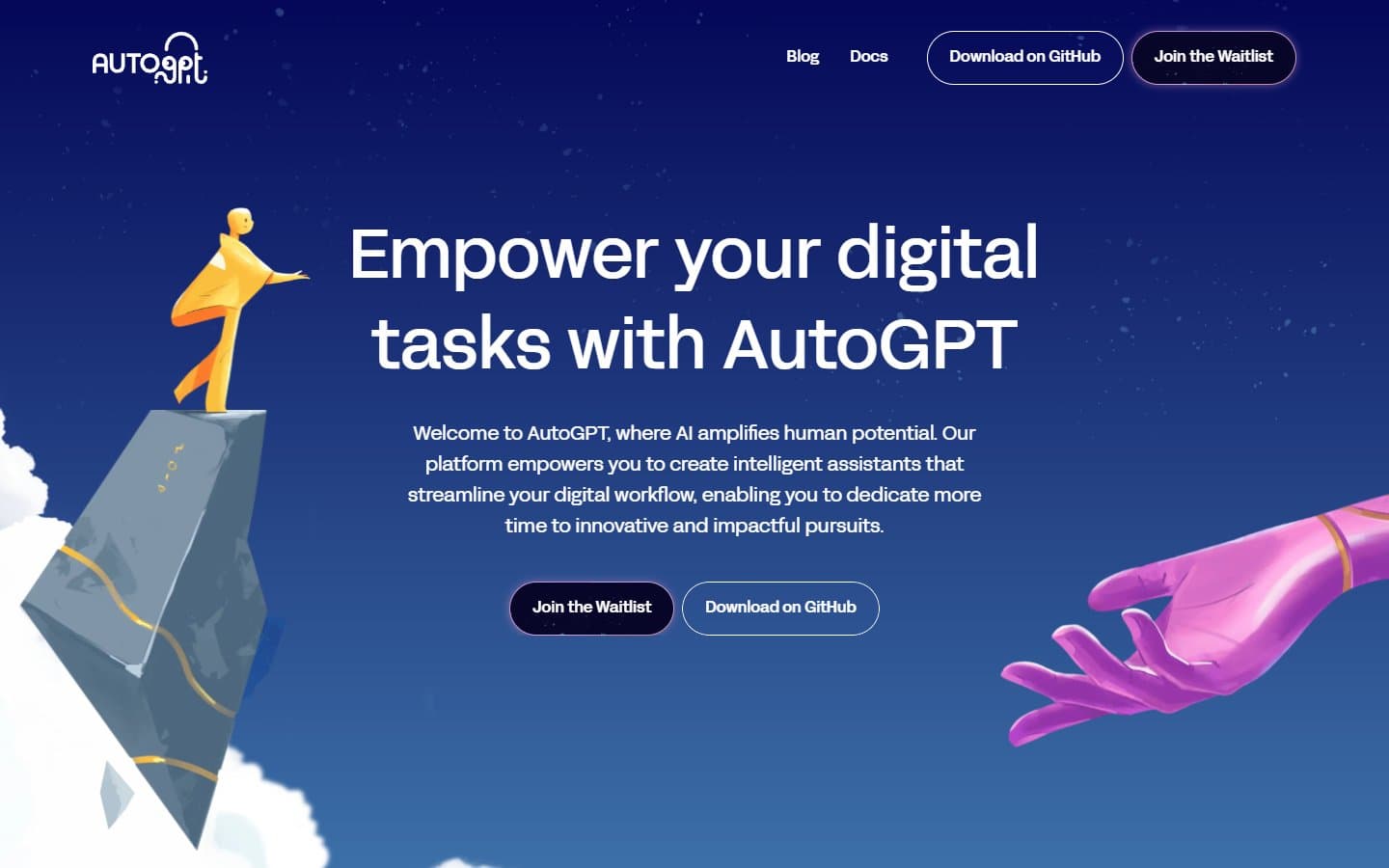
AutoGPT pioneered autonomous AI agents, but it remains too experimental and unreliable for most small businesses. The tool excels at complex, multi-step tasks when it works properly. However, frequent failures and technical complexity make it impractical for non-developers. Skip this unless you're a developer who enjoys tinkering with AI experiments.
Who AutoGPT Is Best For
AutoGPT works best for developers and technical teams who want to experiment with autonomous AI. If you're comfortable debugging code, managing APIs, and troubleshooting unpredictable AI behavior, you might find value here.
Researchers exploring AI capabilities and teams building custom agent prototypes will appreciate the open-source flexibility. You get full access to modify and extend the system however you want.
Businesses wanting complete control over their AI agents without vendor lock-in should consider AutoGPT. The self-hosted option means your data stays on your servers.
What AutoGPT Actually Does
AutoGPT takes a goal from you and breaks it down into smaller tasks. Then it executes them autonomously. Unlike ChatGPT where you guide each step, AutoGPT decides what to do next on its own.
It can search the web, create files, write code, and remember information across long sessions. The agent continues working until it believes the goal is complete or hits a failure.
For example, you might ask it to "research competitors and create a comparison spreadsheet." AutoGPT would search for competitors and gather information. Then it would format data and create the file without further input from you.
The plugin ecosystem extends functionality, though most plugins are community-built and vary in quality. You can run it locally or use the cloud beta version.
AutoGPT Pricing
AutoGPT is free to use, which is its biggest advantage. The open-source version gives you everything at no cost. However, you'll need technical skills to set it up.
The cloud beta is also free but has limited access and may have usage restrictions. You'll still need to pay for underlying AI model costs (like OpenAI API calls).
Expect to spend $20-50 monthly on API costs for moderate business use. Heavy usage can push costs much higher since the agent makes many API calls to complete tasks.
What We Like
The autonomous execution actually works for certain tasks. When AutoGPT succeeds, it feels magical watching it research, analyze, and create outputs without your constant guidance.
Being open source means complete transparency and customization. You can modify the code, add features, and integrate it with your existing systems however you want.
The long-term memory feature helps with complex projects spanning multiple sessions. AutoGPT remembers previous work and can build on earlier outputs.
File management capabilities are genuinely useful. The agent can create, edit, and organize documents, spreadsheets, and code files as part of larger workflows.
What We Don't Like
Reliability is AutoGPT's biggest problem. The agent frequently gets stuck in loops, makes illogical decisions, or fails partway through tasks. You'll spend significant time monitoring and restarting failed attempts.
Setup complexity prevents most business users from even trying it. Installing dependencies, configuring APIs, and troubleshooting errors requires genuine technical expertise.
Output quality is inconsistent. Sometimes AutoGPT produces excellent work, other times it creates unusable garbage. You can't predict which you'll get.
The user interface is bare-bones and intimidating for non-technical users. Most interaction happens through command lines or basic web interfaces that feel like developer tools.
Cost control is nearly impossible since you don't know how many API calls the agent will make. A simple task might trigger hundreds of expensive calls.
How AutoGPT Compares to Alternatives
ChatGPT gives you more control and reliability but requires manual guidance for each step. AutoGPT trades that control for autonomous execution, with mixed results.
Zapier and Microsoft Power Automate offer more reliable automation for business processes. However, they can't handle the creative and analytical tasks AutoGPT attempts.
Agent GPT and AgentGPT provide similar autonomous capabilities with slightly better user interfaces. But they share AutoGPT's reliability problems.
For most business automation needs, traditional tools like Zapier or even ChatGPT with careful prompting will serve you better than AutoGPT.
Should Your Business Use AutoGPT?
Most small businesses should avoid AutoGPT unless they have dedicated technical staff. The combination of setup complexity, reliability issues, and unpredictable costs outweigh the benefits for typical business use cases.
If you're specifically interested in AI experimentation or building custom automation prototypes, AutoGPT offers valuable learning opportunities. Just don't expect production-ready business solutions.
Businesses with developers on staff might find AutoGPT useful for internal projects and research. The open-source nature makes it worth experimenting with. However, don't use it for critical workflows.
For everyone else, stick with more reliable alternatives until autonomous AI agents mature significantly.
FAQ
Is AutoGPT safe for business use?
Not really. The autonomous nature means you can't fully control what the agent does. It may access unintended websites or create problematic content.
How much does AutoGPT actually cost to run?
While the software is free, API costs for AI models typically range from $20-100+ monthly depending on usage. Costs can spike unexpectedly during long tasks.
Can non-technical users set up AutoGPT?
No. Setup requires command line comfort, API configuration, and troubleshooting skills. The cloud beta is easier but still requires technical knowledge to use effectively.
How does AutoGPT compare to ChatGPT for business tasks?
ChatGPT is more reliable and predictable but requires manual guidance. AutoGPT attempts full automation but fails frequently and unpredictably.